Clark County Audit Finds a 1,892-Case Backlog and $623,000 in Unremitted Fees at the Public Administrator's Office
A 27-page county audit of the office that manages the estates of Clark County residents who die without a will flagged eight areas of concern — six of them high risk — including a years-long case backlog, weak vault controls and the cremated remains of 105 people with no disposition plan.
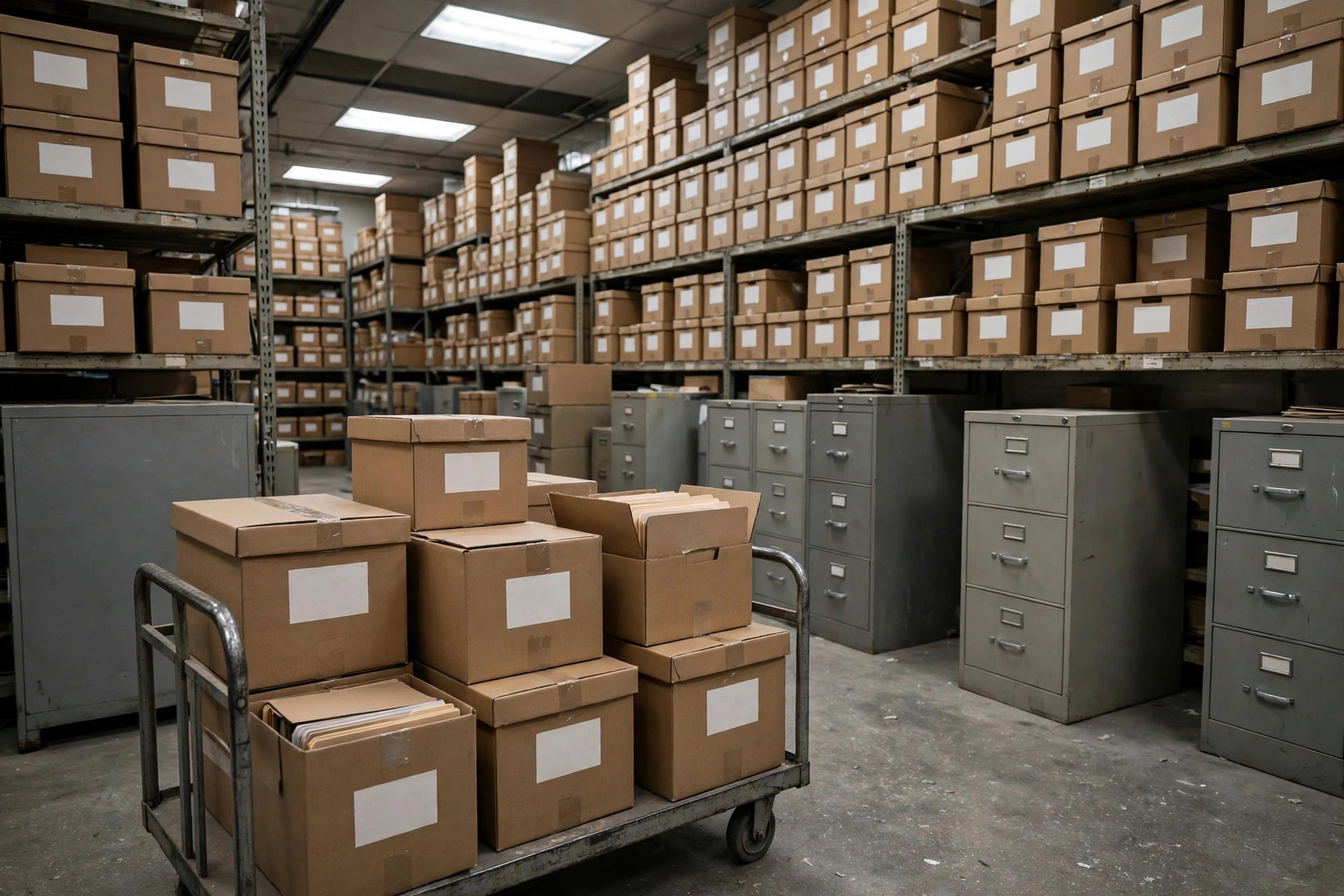
A Clark County audit of the Public Administrator's Office — the office that safeguards the property and manages the estates of county residents who die without a will or next of kin — found a large case backlog, gaps in how stored property is tracked and weak controls over who can reach it, the Las Vegas Review-Journal reported. The 27-page review, produced by the Clark County Audit Department under Director Angela Darragh and presented to the county's Audit Committee on October 28, covered 2024 through the middle of this year, identified eight areas of concern, six of them classified high risk, and made 23 recommendations.
The backlog is the audit's centre of gravity. As of July 28, the office had 1,892 open cases that had been open for an average of 1,118 days; reporting on the audit put 59 percent of cases open for more than a year and 34 cases open for more than a decade. Auditors also found $623,000 in service fees the office had collected but not properly transferred to the county, hundreds of estate checks left unprocessed beyond the window in which a bank must cash them, and more than 147 vehicles and 4,500 personal items — including firearms and jewellery — in the office's possession under inventory controls the auditors found wanting. The office holds the cremated remains of 105 people, more than half of them for at least three years, and the county crypt is full, with no plan in place for dignified disposition. In a residence-check sample, auditors recorded two 70-day gaps, in one case finding a residence compromised and a previously identified vehicle missing.
The audit describes operational and control weaknesses; it does not establish that the unremitted fees were stolen or that every delayed case involves wrongdoing. The office received $2.5 million in taxpayer money for fiscal 2027 and employs 29 people, 16 of them full time. What happens next is the implementation question: whether the $623,000 is reconciled and transferred, whether benchmarks for closing cases on time are set, and whether vault inventories and storage access are tightened to authorised employees, as the recommendations direct.